
The rhythm of a city, heard from the sidelines
An exploration of creative life, shared passions and the quiet culture of neighborhood participation.

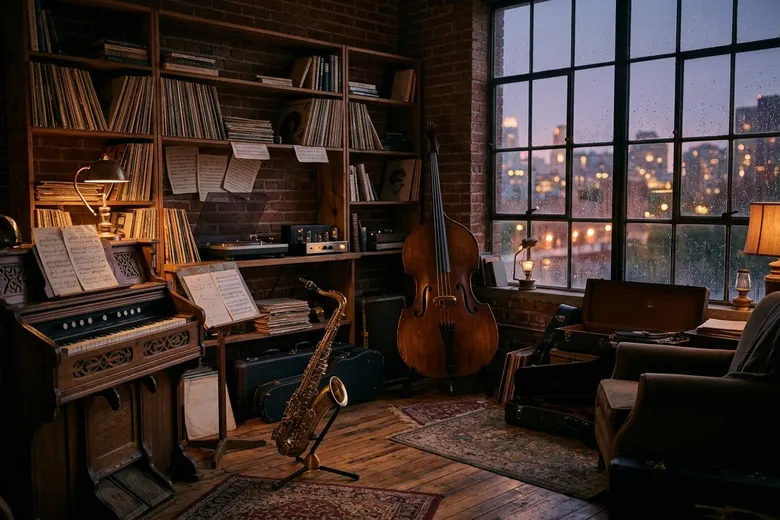
Long before a city's cultural identity is cataloged in museum retrospectives or packaged for tourism boards, it is rehearsed in borrowed basements, courtyard tea stalls, community halls, and late-evening record listening rooms. The true musical and artistic vitality of an urban landscape rarely belongs to the commercial stadium tour; it lives among the amateurs, archivists, instrument repairers, and twilight ensembles who gather after working hours simply because a neighborhood needs a voice of its own.
Walk through any dense metropolitan district after dusk and listen closely to what filters through half-open windows. In one room, a retired civil engineer tunes a harmonium beside a twenty-year-old university student learning classical ragas; three blocks away, a quartet of postal clerks and schoolteachers rehearses jazz standards over worn sheet music; down the lane, a small independent pressing shop restores scratched vinyl recordings from the 1960s. None of these participants expect fame or royalties. Their reward is the immediate, irreplaceable electricity of making sound together in the same physical room.
"A city remains humane only so long as it preserves uncommodified corners where neighbors can create beauty together without an admission ticket."
The Civic Architecture of Amateur Practice
Modern cultural economics tends to divide society into a tiny class of professional celebrities and a vast, passive audience of consumers. Yet for most of human history, music and storytelling were participatory crafts rather than spectator commodities. To sing in a parish or neighborhood choir, to play percussion during seasonal festivals, or to recite verse in a local literary circle was considered an ordinary part of adult citizenship. When we reduce culture to what can be streamed through solitary headphones, we lose the social glue that participatory art provides.
Sociologists studying urban resilience have repeatedly found that neighborhoods with active amateur arts associations, rehearsal rooms, and community theaters exhibit stronger cross-generational trust than districts with higher incomes but fewer shared gathering places. In a rehearsal room, social status outside the door is temporarily suspended. The only authority that matters is the tempo, the pitch, and the willingness to listen to the person sitting beside you.
Why Physical Listening Rooms Endure in a Digital Age
At first glance, the resurgence of vinyl listening cafes, acoustic folk clubs, and neighborhood print zines seems paradoxical in an era when virtually every recorded song in history is available at the tap of a glass screen. Yet convenience and meaning are rarely identical. When everything is instantly accessible without effort, individual works can easily lose their weight, dissolving into background wallpaper for commuting or office work.
Placing a physical record on a turntable or sitting in a quiet room while a neighbor plays an acoustic instrument restores ritual and boundaries to aesthetic experience. You cannot skip a challenging passage with a swipe of the thumb; you are invited to inhabit the composer's pacing from beginning to end. That shared stillness transforms strangers into a temporary community bound by common attention.
Every enduring work of art or music begins with an act of sustained attention—the willingness of a painter, composer, filmmaker, or writer to linger over details that hurried eyes pass by. In independent rehearsal rooms, printmaking studios, and regional theaters, artists keep alive the tactile craft of working with physical instruments, acoustic space, and living audiences. That unmediated human presence creates an emotional resonance that algorithmic synthesis cannot imitate.
Protecting the Spaces Where Culture Begins
If cities wish to remain engines of genuine creativity rather than mere showcases for imported entertainment, municipal planners must recognize that culture depends on humble real estate. High commercial rents and rigid zoning codes often price out the very instrument workshops, small rehearsal studios, and basement venues that incubate new artistic movements.
Preserving affordable space for non-commercial gathering is not sentimental indulgence; it is an investment in the emotional and imaginative life of the metropolis. A city's soul is always heard clearest from the sidelines, where people play for the love of the craft.
Sustaining a vibrant artistic culture depends on maintaining the everyday ecosystems where creative apprenticeship happens: small performance venues, community conservatories, independent bookshops, and municipal arts grants. When a society values artistic craftsmanship not as a luxury commodity, but as an essential mirror of the human condition, it enriches its own capacity for empathy, nuance, and historical memory.
More in Arts & Music
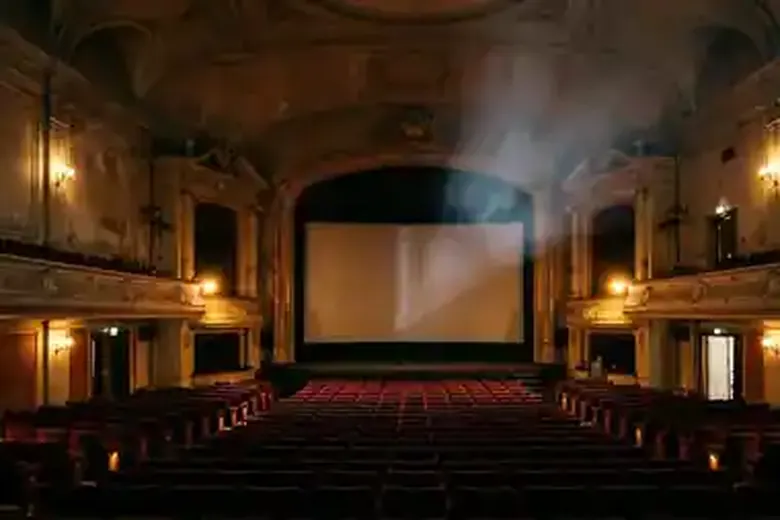
The Quiet Renaissance of the Mid-Budget Repertory Cinema
Why urban audiences—especially viewers in their twenties—are filling curated 35mm screening rooms and director talkbacks in an era of home streaming.
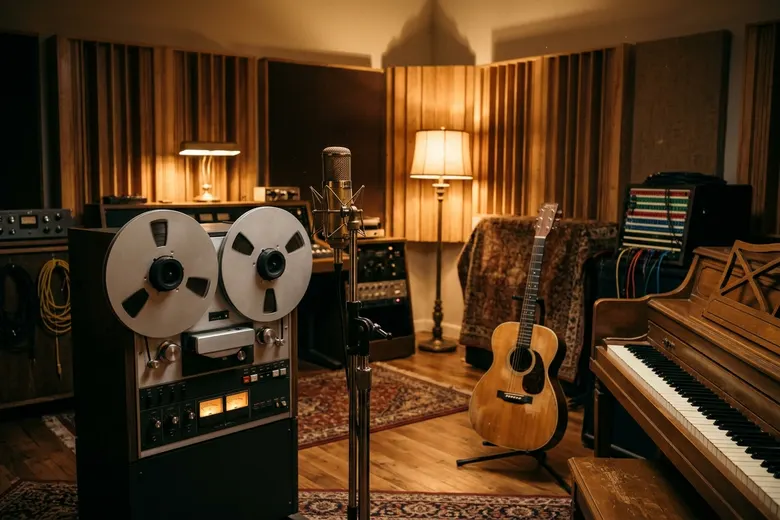
Analog Studios in a Streaming World: Why Musicians Return to Tape
The productive constraints of magnetic tape and live room acoustics are shaping a warmer, more collaborative sound.
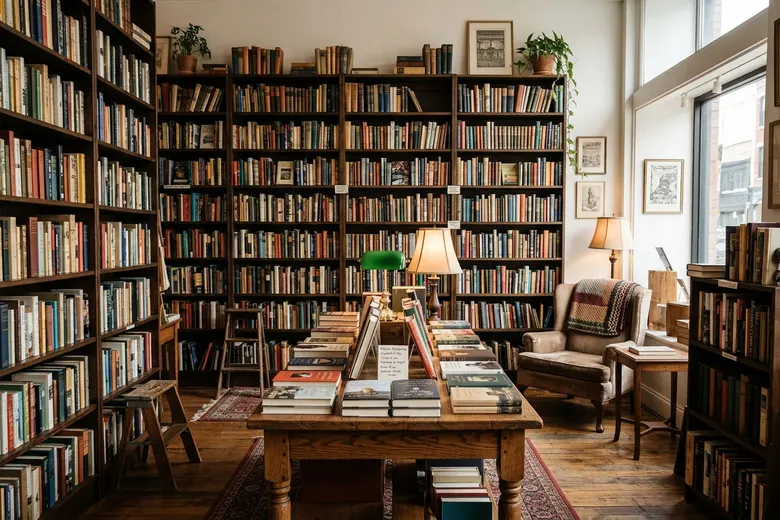
Independent Bookstores as Curators of Civic Conversation
Why physical bookshops are thriving as neighborhood salons in an era of one-click algorithmic delivery.