
Independent Bookstores as Curators of Civic Conversation
Why physical bookshops are thriving as neighborhood salons in an era of one-click algorithmic delivery.


Fifteen years ago, retail analysts almost unanimously predicted the extinction of the independent neighborhood bookshop. How could a modest storefront paying urban rent and stocking eight thousand titles possibly survive against e-commerce warehouses offering millions of books at steep discounts with overnight shipping and instant e-reader downloads?
Yet the obituary proved premature. Over the past decade, hundreds of independent bookstores have opened or expanded across towns and cities worldwide. Far from trying to out-warehouse the internet, they have prospered by offering something an algorithm cannot simulate: human curation, tactile discovery, and a physical salon for civic conversation.
"A great neighborhood bookshop is an architecture of serendipity—a place where adjacent shelves start conversations you did not know you needed to have."
The Difference Between an Algorithm and a Bookseller
Online recommendation engines are built on collaborative filtering: if you bought three books on a specific topic, the algorithm shows you ten more books that repeat the exact same worldview. While efficient for finding a known textbook, algorithmic browsing steadily narrows a reader's intellectual horizon into an echo chamber.
Walk into a well-curated independent bookshop and the opposite happens. On a central wooden table, a bookseller has placed a new work of economic history beside a translated novel from Latin America, a collection of essays on urban architecture, and a classic volume of poetry—each accompanied by a handwritten card explaining why a human reader loved it. You walk in looking for one title and walk out with an unexpected education.
The Evening Salon and the Democratic Public Sphere
At night, when the display tables are rolled to the walls and forty folding chairs are set out, the independent bookstore becomes one of the last open forums of local intellectual life. Authors, historians, investigative reporters, and poets sit three feet from neighborhood readers, answering unscripted questions for an hour.
Unlike social media threads where strangers trade insults from behind anonymous avatars, the bookshop reading requires neighbors to sit in the same room, listen to a complex argument in full, and engage with courtesy. Children who grow up attending weekend story hours in the back corner of a local shop come to see books not as school chores, but as a natural part of community life.
Every enduring work of art or music begins with an act of sustained attention—the willingness of a painter, composer, filmmaker, or writer to linger over details that hurried eyes pass by. In independent rehearsal rooms, printmaking studios, and regional theaters, artists keep alive the tactile craft of working with physical instruments, acoustic space, and living audiences. That unmediated human presence creates an emotional resonance that algorithmic synthesis cannot imitate.
Why Physical Pages Still Anchor Memory
Cognitive studies of reading comprehension consistently show that readers retain deeper spatial and narrative memory from physical pages—where the fingers feel how much of the book has been traversed and how much remains—than from endless vertical scrolling.
So long as human beings crave thoughtful company and the quiet surprise of an unsearched shelf, the neighborhood bookshop will keep its lamps lit.
Sustaining a vibrant artistic culture depends on maintaining the everyday ecosystems where creative apprenticeship happens: small performance venues, community conservatories, independent bookshops, and municipal arts grants. When a society values artistic craftsmanship not as a luxury commodity, but as an essential mirror of the human condition, it enriches its own capacity for empathy, nuance, and historical memory.
In the end, a civilization is remembered less for the speed of its commerce than for the depth of its songs, paintings, buildings, and stories. By carving out quiet sanctuaries where artists and audiences can meet without algorithmic mediation, we keep alive the capacity for wonder and deep human sympathy that makes collective life worth living.
In conversations with practitioners, archivists, and local residents across multiple regions, one observation recurs with striking consistency: durable progress is never achieved by shortcutting foundational maintenance. Whether in civic administration, scholarly inquiry, or community stewardship, the discipline of attending to small realities over decades is what separates thriving institutions from brittle ones. When we honor that patient craft, we build a future worthy of our shared inheritance.
More in Arts & Music
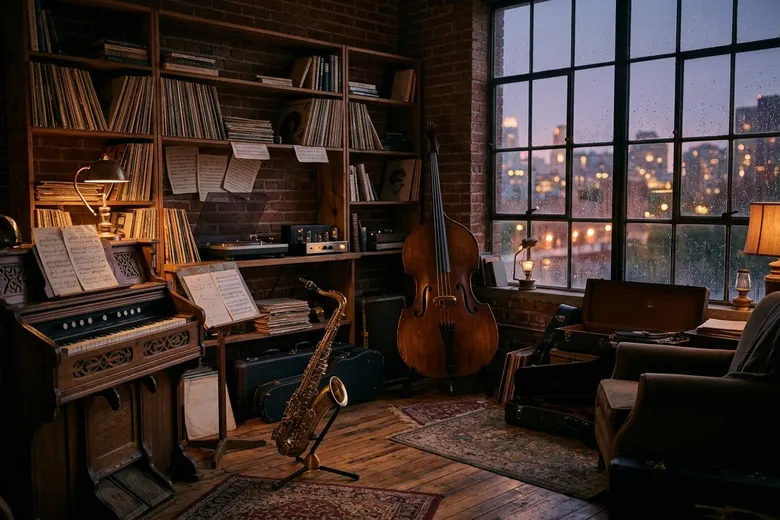
The rhythm of a city, heard from the sidelines
An exploration of creative life, shared passions and the quiet culture of neighborhood participation.
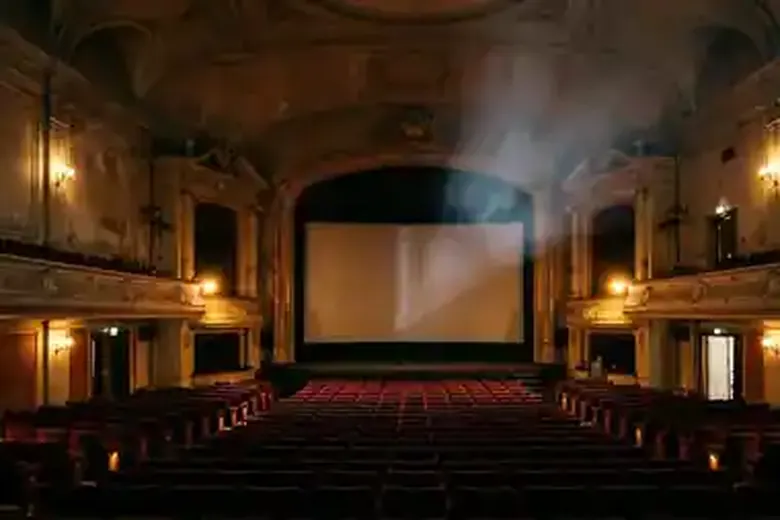
The Quiet Renaissance of the Mid-Budget Repertory Cinema
Why urban audiences—especially viewers in their twenties—are filling curated 35mm screening rooms and director talkbacks in an era of home streaming.
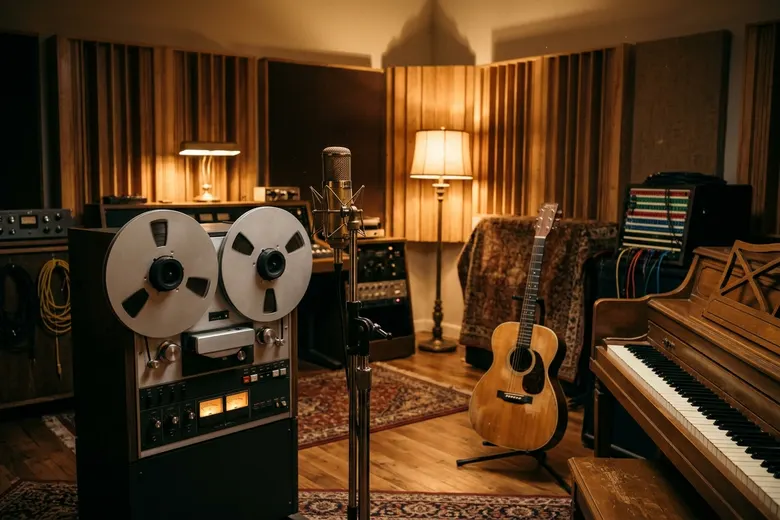
Analog Studios in a Streaming World: Why Musicians Return to Tape
The productive constraints of magnetic tape and live room acoustics are shaping a warmer, more collaborative sound.