
How Municipal Debt Is Quietly Redefining Public Infrastructure
As sovereign borrowing costs stay elevated, cities are turning to land-value capture and transparent civic utility bonds.

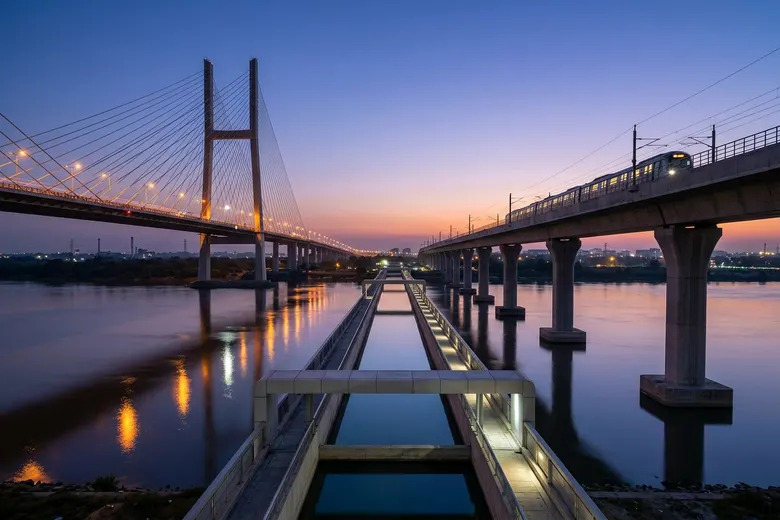
Clean water mains, storm-water drainage tunnels, bus rapid transit lanes, and neighborhood electrical substations rarely inspire stirring campaign speeches. Yet these subterranean and street-level systems determine the public health, economic productivity, and daily dignity of urban populations far more directly than most national legislation. Today, however, city treasurers face a severe fiscal squeeze.
After a decade of near-zero interest rates was replaced by higher sovereign borrowing costs and tight national fiscal rules, municipalities around the world have found traditional debt financing for long-lived infrastructure increasingly expensive. At the same time, rapid urbanization and extreme weather events have made upgrading water and transit networks impossible to postpone.
"Sound municipal finance is the invisible scaffolding behind every livable street, flood-free avenue, and reliable household tap."
The Fiscal Mismatch of Growing Cities
In many countries, a structural mismatch exists between where population growth occurs and where tax revenues are collected. Metropolitan areas generate the overwhelming share of national income and absorb millions of new residents, yet property tax rolls are often outdated and municipal governments remain dependent on unpredictable annual transfers from central ministries.
Without predictable multi-year revenue streams, cities struggle to issue long-term infrastructure bonds at reasonable yields. Deferred maintenance becomes a hidden, high-interest loan: postponing repairs on a leaking water distribution grid or a crumbling bridge deck ultimately costs taxpayers four times as much when emergency reconstruction is finally forced.
Land-Value Capture and Citizen Infrastructure Bonds
To break this deadlock, pragmatic municipal finance directors are reviving a classic economic principle: land-value capture. When a public authority invests ratusan millions of dollars to build a new metro line, commuter rail station, or waterfront park, the market value of private commercial land within walking distance rises dramatically. By levying a transparent betterment assessment or partnering in joint station-area development, cities can recoup a fair share of that publicly created windfall to retire the construction debt.
Simultaneously, several municipalities have pioneered small-denomination civic green bonds that allow local residents and diaspora savers to invest directly in ring-fenced water, solar, or transit projects, earning a steady tax-advantaged return while keeping interest payments circulating within the local economy.
A rigorous examination of the empirical record reveals how easily conventional wisdom mistakes temporary cyclical fluctuations for permanent structural laws. When we disaggregate national averages into regional and household-level realities, the gap between macroeconomic headlines and everyday purchasing power becomes clear. Independent researchers and field economists have long emphasized that aggregate growth figures mean little unless accompanied by stable household balance sheets, predictable regulatory frameworks, and accessible public goods.
Transparency as the Foundation of Creditworthiness
Ultimately, the cost of municipal capital is a function of institutional trust. Cities that publish open-book procurement ledgers, independent engineering audits, and ring-fenced utility accounts consistently attract lower borrowing rates than opaque authorities.
Fixing the plumbing of municipal finance may sound technical, but it is the practical precondition for building cities that remain clean, mobile, and resilient for the next fifty years.
Correcting these analytical blind spots demands a return to first-principles inquiry. Rather than relying on automated forecasting models that simply extrapolate the recent past into the indefinite future, serious observers must study historical precedents, institutional bottlenecks, and human incentives on the ground. Sound judgment in public policy and economic life always begins where simplistic slogans end.
Ultimately, sound public reasoning requires the humility to test our cherished theories against stubborn empirical facts. When household budgets, municipal balance sheets, and industrial capacity tell a story that contradicts official optimism, responsible analysts must side with reality over rhetoric. Only by confronting structural bottlenecks honestly can societies move from recurring crisis management to durable prosperity.
In conversations with practitioners, archivists, and local residents across multiple regions, one observation recurs with striking consistency: durable progress is never achieved by shortcutting foundational maintenance. Whether in civic administration, scholarly inquiry, or community stewardship, the discipline of attending to small realities over decades is what separates thriving institutions from brittle ones. When we honor that patient craft, we build a future worthy of our shared inheritance.
More in Analysis

What should a classroom prepare us for?
Teachers, students, and the enduring possibilities of an education that reaches far beyond the examination hall.

Small enterprises. A larger story of possibility.
Looking closely at the proprietors, apprenticeships, and patient capital behind the neighborhood economy.

A world in transition. A different way to see it.
Beyond the pace of the daily ticker, the quiet connections between geography, institutional memory, and everyday life demand a closer look.