
When the Monsoon Shifts: Climate Adaptation Along the Bengal Delta
How hydrologists, smallholder farmers, and municipal planners are combining ancestral wetland wisdom with modern telemetry.

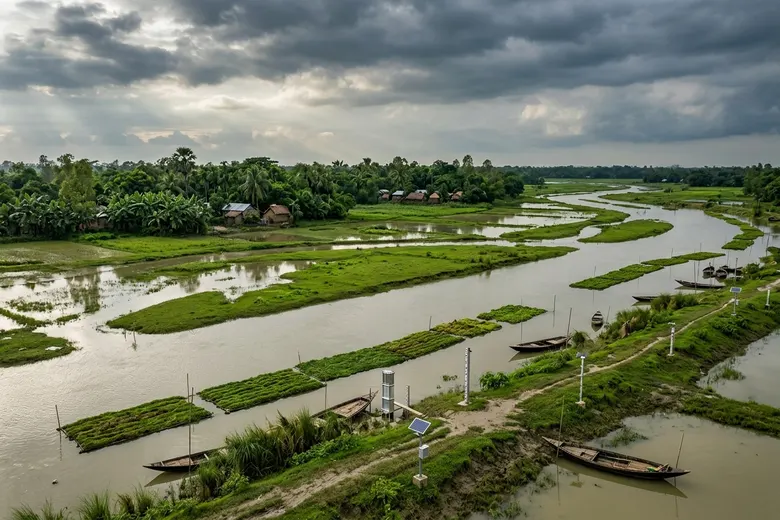
Along the braided tidal rivers of the lower Bengal Delta, residents do not speak of environmental change in the future conditional tense. Unpredictable monsoon onset dates, sharper cyclonic storm surges, and creeping soil salinity have already redrawn the agricultural and household calendar for tens of millions of people living where the Ganges, Brahmaputra, and Meghna meet the sea.
Yet to portray the delta solely as a landscape of passive vulnerability is to miss one of the most instructive stories of human ingenuity in the twenty-first century. For centuries, deltaic communities have inhabited a dynamic, shifting amphibious terrain where land and water renegotiate their boundaries every rainy season. Today, a new generation of local hydrologists, agronomists, and village cooperatives is fusing inherited ecological techniques with satellite telemetry and salt-tolerant plant genetics.
"Enduring climate adaptation succeeds when engineering respects the natural hydrology of the floodplain rather than attempting to wall the river out of memory."
The Limits of Rigid Polder Engineering
In the mid-twentieth century, international water engineers imported a model of high earthen polders designed to seal tidal floodplains permanently off from surrounding rivers. While those embankments initially boosted dry-season rice yields, over decades they prevented silt-laden monsoon waters from depositing sediment inside the floodplains. Instead, heavy silt settled in the riverbeds themselves, raising channel floors above the level of the enclosed villages and causing severe waterlogging.
Recognizing this paradox, contemporary water planners have returned to an older indigenous practice known as tidal river management. By opening controlled breaches in selected embankments during the monsoon months, engineers allow tidal waters to deposit fresh, fertile alluvium across low-lying basins while naturally scouring and deepening the main river channels.
Floating Seedbeds and Salt-Resilient Agronomy
In waterlogged districts where fields remain submerged for six months of the year, farmers have revived and scaled the centuries-old craft of dhap—floating rafts woven from water hyacinth, bamboo, and decomposing aquatic straw upon which seedlings, gourds, and spices are cultivated directly on the water's surface. When floodwaters recede, the nutrient-rich rafts are folded into the soil as organic compost for winter crops.
Simultaneously, regional agricultural research institutes have bred rice varieties capable of surviving two weeks of complete flood submergence or elevated brackish salinity. Paired with community-run solar desalination kiosks and ward-level cyclone shelters that function as primary schools during calm weather, these innovations have dramatically reduced storm mortality over the past three decades.
When we examine the institutional architecture behind these developments, a recurring pattern emerges across both municipal and national scales. Decision-makers frequently rely on short-term quantitative metrics that capture immediate throughput while ignoring long-term structural resilience. In field interviews with planners, civil engineers, and local administrators, the consensus is unmistakable: sustainable reform requires aligning fiscal incentives with multi-decade maintenance rather than electoral or quarterly cycles. Where communities have preserved independent oversight boards and transparent procurement archives, public trust remains measurably higher even during periods of fiscal tightening.
Lessons from the Delta for Coastal Cities Worldwide
As sea levels rise from the Gulf Coast of the United States to the estuaries of Northern Europe and Southeast Asia, urban planners are traveling to the Bengal Delta not out of charity, but to study how a dense population adapts with modest capital and high social coordination.
The delta teaches a timeless lesson in environmental humility: human settlements endure not by declaring war on water, but by designing institutions, crops, and architecture flexible enough to live with its rhythms.
Looking ahead, the decisive test for civic leadership will not be the announcement of grand master plans, but the quiet, unglamorous repair of everyday systems. Whether managing port logistics, municipal water tables, or regional transport corridors, the societies that thrive are those that treat institutional memory as a public commons. Only by uniting empirical rigor with respect for local lived experience can policy move beyond rhetorical ambition toward lasting civic durability.
More in Weekline Exclusive

A world in transition. A different way to see it.
Beyond the pace of the daily ticker, the quiet connections between geography, institutional memory, and everyday life demand a closer look.
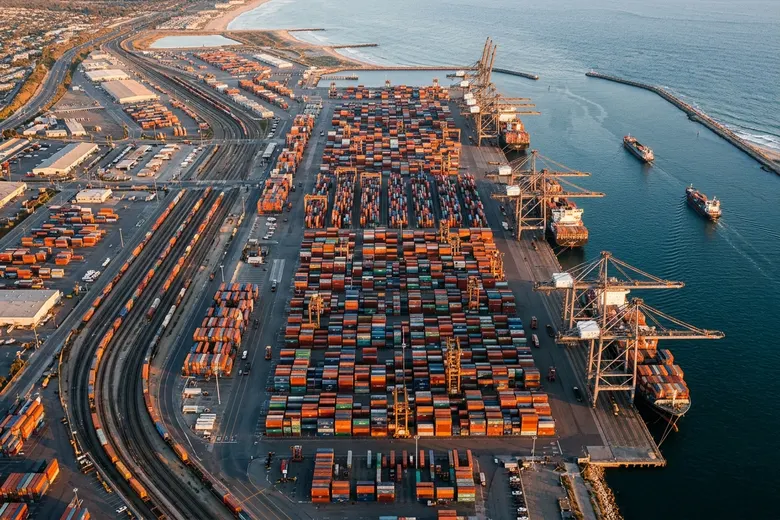
Inside the Quiet Diplomacy Reshaping Maritime Trade Corridors
From the Bay of Bengal to the Red Sea, port authorities and regional envoys are drafting new rules for commercial resilience.

The Architecture of Public Trust in an Era of Synthetic Media
Why provenance standards, primary documentation, and transparent verification are becoming essential civic infrastructure.