
Inside the Quiet Diplomacy Reshaping Maritime Trade Corridors
From the Bay of Bengal to the Red Sea, port authorities and regional envoys are drafting new rules for commercial resilience.

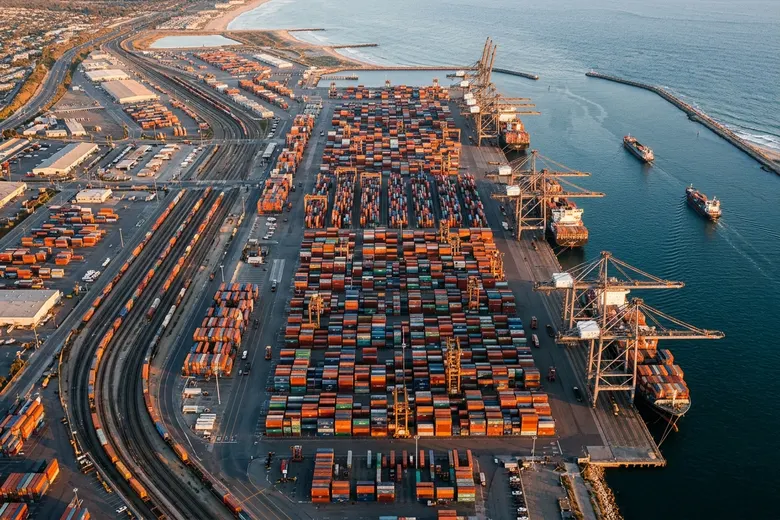
Maritime trade rarely captures the public imagination until a major canal is obstructed or container freight rates suddenly triple. Yet away from television cameras, in port ministries and admiralty boards from Chattogram and Colombo to Muscat, Djibouti, and Piraeus, a quiet diplomatic architecture is taking shape—one focused on redundant shipping lanes, interoperable digital customs clearinghouses, and regional maritime insurance pools.
Over the past two years, supply chain planners have learned a hard historical lesson: efficiency built on a single geographic chokepoint is a disguised fragility. When geopolitical tensions in the Red Sea or drought restrictions in the Panama Canal force vessels to reroute around continental capes, the ripple effects reach factory floors and grocery shelves within weeks. In response, coastal states are no longer waiting for sweeping multilateral treaties that take a decade to ratify; instead, they are signing practical bilateral port compacts that cut vessel turnaround times by thirty percent.
"The ports that prosper in the coming decade will not simply boast the deepest berths; they will offer the most predictable customs law, rail connectivity, and dispute-resolution protocols."
The Shift From Mega-Hubs to Distributed Port Networks
For thirty years, the shipping industry pursued economies of scale by concentrating cargo into a handful of colossal transshipment mega-hubs while leaving secondary regional ports underfunded. While that model lowered per-container costs during eras of geopolitical calm, it created severe bottlenecks whenever a single terminal experienced labor disputes, cyber disruptions, or naval blockades. Today, logistics consortia are diversifying their port calls across mid-sized deep-water terminals connected to inland dry ports by electrified freight rail.
In the Bay of Bengal and the Indian Ocean rim, this distributed strategy is transforming coastal municipalities that were once treated as peripheral feeder harbors. Modernized gantry cranes, automated phytosanitary inspection labs, and bonded inland container depots allow garment exporters, pharmaceutical makers, and agricultural cooperatives to clear cargo inland before it ever reaches the congested quayside.
Sovereign Insurance Pools and Legal Interoperability
Physical cranes and dredged channels are only half of the maritime equation; the invisible half consists of marine underwriting, bills of lading, and arbitral law. Historically, war-risk premiums for vessels traversing contested waters were priced almost exclusively in a few Western insurance markets, meaning that a sudden risk reclassification could price an entire developing coastline out of affordable shipping overnight.
To mitigate that vulnerability, regional development banks and sovereign port authorities have begun capitalizing joint marine reinsurance facilities and adopting standardized electronic bills of lading. By digitizing cargo provenance and customs manifests across neighboring jurisdictions, port directors reduce both administrative graft and costly demurrage delays.
When we examine the institutional architecture behind these developments, a recurring pattern emerges across both municipal and national scales. Decision-makers frequently rely on short-term quantitative metrics that capture immediate throughput while ignoring long-term structural resilience. In field interviews with planners, civil engineers, and local administrators, the consensus is unmistakable: sustainable reform requires aligning fiscal incentives with multi-decade maintenance rather than electoral or quarterly cycles. Where communities have preserved independent oversight boards and transparent procurement archives, public trust remains measurably higher even during periods of fiscal tightening.
What Resilient Sea Lanes Mean for Everyday Commerce
Ultimately, maritime diplomacy is not an abstract concern for shipowners alone. Every medicine vial in a rural clinic, every spool of yarn in a textile mill, and every grain shipment stabilizing urban food prices depends on the uninterrupted rhythm of merchant hulls. When coastal nations cooperate to keep sea lanes open, transparent, and law-governed, they protect the material foundation of household stability across continents.
The quiet diplomats of the port authority remind us that international order is often preserved less by grand summits than by the patient engineers and legal draftsmen who keep the world's harbors working at dawn.
Looking ahead, the decisive test for civic leadership will not be the announcement of grand master plans, but the quiet, unglamorous repair of everyday systems. Whether managing port logistics, municipal water tables, or regional transport corridors, the societies that thrive are those that treat institutional memory as a public commons. Only by uniting empirical rigor with respect for local lived experience can policy move beyond rhetorical ambition toward lasting civic durability.
More in Weekline Exclusive

A world in transition. A different way to see it.
Beyond the pace of the daily ticker, the quiet connections between geography, institutional memory, and everyday life demand a closer look.

The Architecture of Public Trust in an Era of Synthetic Media
Why provenance standards, primary documentation, and transparent verification are becoming essential civic infrastructure.

The Quiet Crisis of Attention in Public Life and What Reading Restores
Why the ability to sit with a complex argument for thirty minutes has become the defining civic skill of our generation.