
The geography of a changing global conversation
How emerging port corridors, regional coalitions, and diaspora networks are redrawing the map of influence.

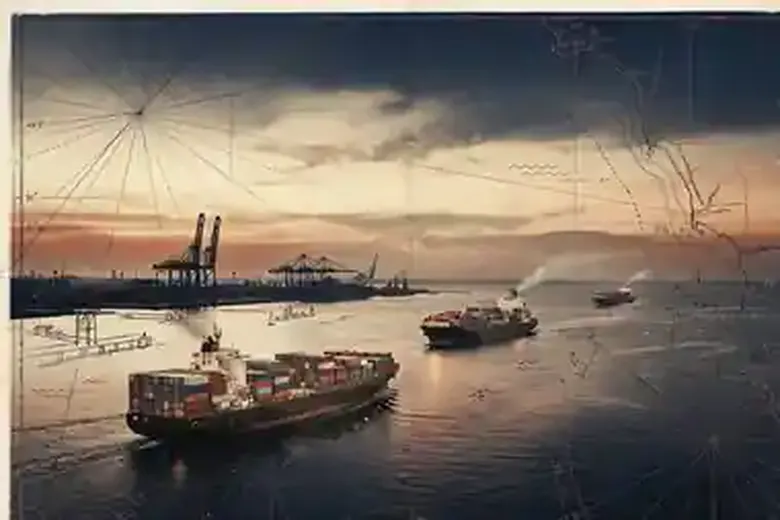
For most of the twentieth century, international affairs was narrated along a handful of familiar diplomatic axes connecting capitals in North America and Western Europe. Decisions regarding trade standards, maritime security, development finance, and technological governance were drafted in a small circle of Atlantic ministries and then transmitted outward to the rest of the world. Today, that single-centered map belongs to history.
Look at where the most consequential negotiations over energy corridors, critical mineral refining, digital payment interoperability, and agricultural supply chains are unfolding in the 2020s, and you find a polycentric web connecting Jakarta, Doha, Riyadh, Nairobi, Mumbai, Sao Paulo, Singapore, and Dhaka. These capitals are no longer waiting for permission or ideological templates from traditional great powers; they are trading, financing infrastructure, and settling commercial disputes directly with one another.
"The modern map of influence no longer radiates outward from a single imperial meridian; it is woven across dozens of regional corridors that negotiate on their own terms."
South-South Trade and the New Maritime Arteries
The most striking feature of contemporary economic geography is that trade between emerging economies now grows significantly faster than trade along legacy North-South routes. Container vessels departing East and South Asian manufacturing hubs sail directly to Red Sea, Persian Gulf, and East African ports, carrying solar modules, telecommunications hardware, pharmaceuticals, and textiles, while returning with liquefied natural gas, fertilizers, and refined metals.
Alongside physical shipping lanes, new financial and regulatory plumbing is quietly taking shape. Bilateral local-currency settlement agreements, cross-border instant payment links, and regional development banks allow mid-sized nations to finance port expansions and rail links without exposing their domestic budgets to sudden dollar liquidity squeezes.
Diaspora Networks as Bridges of Skill and Capital
Diplomacy is no longer the exclusive preserve of ambassadors in formal reception halls. Across the globe, tens of millions of engineers, physicians, academics, logistics entrepreneurs, and writers live transnational lives that bridge their countries of heritage and the metropolitan centers where they work. In places like New York, London, Toronto, Kuala Lumpur, and Dubai, diaspora communities serve as living conduits of commercial trust, technical know-how, and cultural translation.
When a software architect in Queens collaborates with a university lab in Dhaka, or when a merchant family in Chattogram partners with logistics operators in Oman and Singapore, they build resilient micro-alliances that endure even when formal state-to-state politics turn chilly.
Beneath the surface of formal treaties and summit communiqués lies the harder reality of physical geography and infrastructural interdependence. Maritime choke points, undersea fiber-optic cables, cross-border river basins, and regional power grids bind neighboring states together even when diplomatic rhetoric grows strained. Analysts who focus solely on ideological alignments often miss how quiet technical commissions—regulating customs clearance, navigation buoys, and seasonal water sharing—continue to function as vital shock absorbers against miscalculation.
Listening to a Multipolar Century
Understanding this changing global conversation requires retiring outdated Cold War vocabulary. Most nations in Asia, Africa, and Latin America have no interest in being drafted into exclusive ideological blocs; their primary obligation is to secure energy, education, infrastructure, and dignified employment for their citizens.
An observer who listens attentively to these regional capitals discovers a pragmatic, problem-solving diplomacy that is quietly reshaping the twenty-first century.
For middle and emerging powers alike, strategic autonomy in the twenty-first century depends less on theatrical alignments than on domestic institutional capacity. Nations that invest in diversified trade corridors, professional diplomatic corps, and resilient domestic supply chains can navigate multipolar competition without surrendering their sovereign priorities. Realism in foreign affairs begins with recognizing that geography is permanent, neighbors are enduring, and economic vitality is the true foundation of diplomatic weight.
History reminds us that diplomatic architecture endures only when it reflects the lived economic and geographic realities of the peoples it purports to govern. Treaties signed in distant capitals falter quickly if they ignore customs bottlenecks, riverine ecology, or the commercial livelihoods of borderland communities. A sustainable international order must therefore be built from the region upward, grounded in mutual restraint, predictable rules of commerce, and quiet problem-solving.
More in Geopolitics

A world in transition. A different way to see it.
Beyond the pace of the daily ticker, the quiet connections between geography, institutional memory, and everyday life demand a closer look.
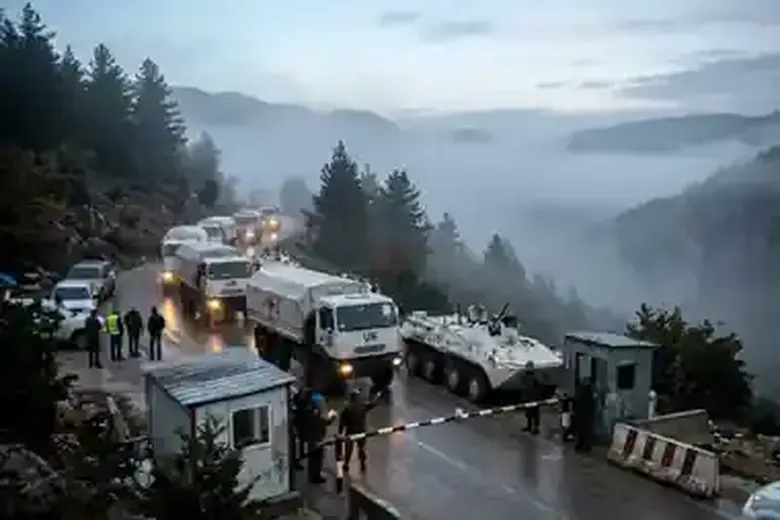
The Logistics of Ceasefires: Why Monitoring Corridors Determine Whether Truces Hold
Beyond summit signatures, the survival of any armistice depends on demarcation maps, hotlines between field commanders, and neutral inspection protocols.

Middle Powers and the New Non-Aligned Calculus
Why mid-sized economies across Asia, Africa, and Latin America are choosing issue-by-issue coalitions over rigid blocs.