
The Apprenticeships Returning Craft to Technical Universities
Engineering faculties are pairing theoretical coursework with machine-shop residencies and field maintenance.

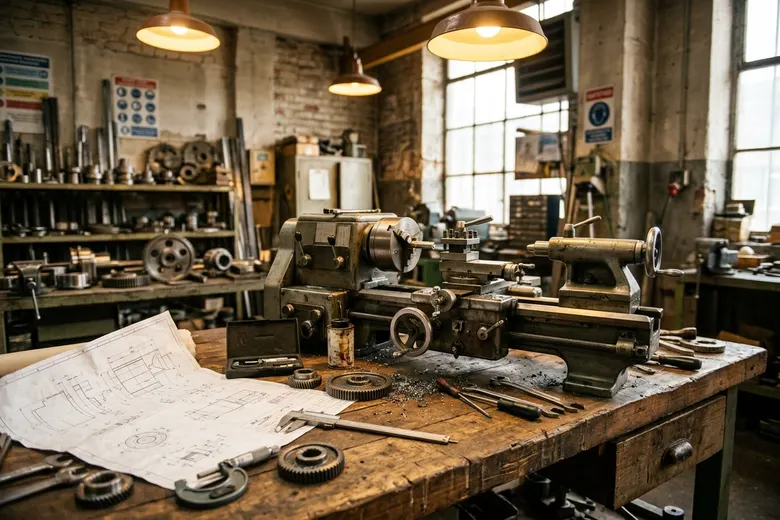
For nearly four decades, prestigious engineering curricula around the world drifted steadily away from physical workshops toward pure screen-based simulation. Universities graduated cohorts of bright young engineers who could model thermodynamic stress or fluid flow on a workstation with admirable speed, yet had never calibrated an industrial pump, diagnosed a faulty weld, or stripped and rebuilt a three-phase motor with their own hands.
In factory floors, power plants, and municipal water utilities, senior chief engineers began noticing the cost of this separation between head and hand. Designs that looked elegant in computer-aided drafting software frequently proved impossible to service in cramped mechanical rooms or failed prematurely under real-world vibration, humidity, and dust.
"Engineering theory achieves its full intellectual dignity only when tested against the stubborn friction of physical materials and working tools."
The Historical Divorce Between Scholar and Artisan
The hierarchy that places abstract desk calculation above manual craft is an old social prejudice rather than a scientific necessity. During the Industrial Revolution and the great infrastructure expansions of the nineteenth and early twentieth centuries, the most transformative innovators were men and women who moved fluidly between mathematical theory and the foundry floor. They understood metal fatigue and tolerances because they had shaped metal themselves.
As university rankings came to reward theoretical journal publications over practical industrial problem-solving, faculty hiring shifted toward scholars with little field experience, and campus machine shops were quietly converted into computer labs. The unintended result was a class of graduates who viewed maintenance technicians as subordinates rather than indispensable teachers.
How Shop-Floor Residencies Transform Young Engineers
Today, a growing coalition of technical universities and polytechnics is reversing that trend by reintroducing mandatory shop-floor and field-maintenance residencies. Under these programs, first- and second-year engineering undergraduates spend two full afternoons a week working alongside master machinists, electricians, and plant technicians before they are permitted to submit senior design projects.
Students who have personally struggled to reach a poorly placed bolt inside a turbine housing or machined a steel shaft on a manual lathe design fundamentally better equipment. They build machines for maintainability, safety, and longevity rather than mere theoretical elegance.
Inside classrooms and lecture halls, every teacher knows that genuine intellectual formation cannot be reduced to standardized rubric scores or algorithmic modules. Learning is fundamentally a relational human encounter—built on curiosity, patient mentorship, and the willingness to wrestle with complex texts and unfamiliar problems. When educational institutions prioritize administrative compliance over classroom autonomy, both teachers and students lose the space required for deep critical inquiry.
Restoring Mutual Respect Across the Technical Professions
Perhaps the greatest dividend of hands-on apprenticeship is cultural: it dissolves the artificial caste barrier between the degreed engineer and the skilled tradesperson. When both share the same workshop bench, theory and craft enrich one another.
By returning physical making to the heart of technical education, universities prepare builders who can not only imagine the future on a screen, but keep it running in the real world.
Rebuilding educational excellence requires investing directly in the human core of the school: well-stocked libraries, rigorous foundational curricula in literacy and mathematics, hands-on laboratory and vocational workshops, and respected educators who are given the time to mentor individual students. The true measure of an education system is not the volume of credentials it issues, but the independence of mind and civic character its graduates carry into adulthood.
Every generation must decide whether it views education merely as a sorting mechanism for the labor market or as the sacred transmission of human civilization. When we give teachers the freedom to inspire and students the time to read deeply, question rigorously, and master practical crafts, we renew the intellectual commons on which both democracy and human flourishing depend.
In conversations with practitioners, archivists, and local residents across multiple regions, one observation recurs with striking consistency: durable progress is never achieved by shortcutting foundational maintenance. Whether in civic administration, scholarly inquiry, or community stewardship, the discipline of attending to small realities over decades is what separates thriving institutions from brittle ones. When we honor that patient craft, we build a future worthy of our shared inheritance.
More in Education
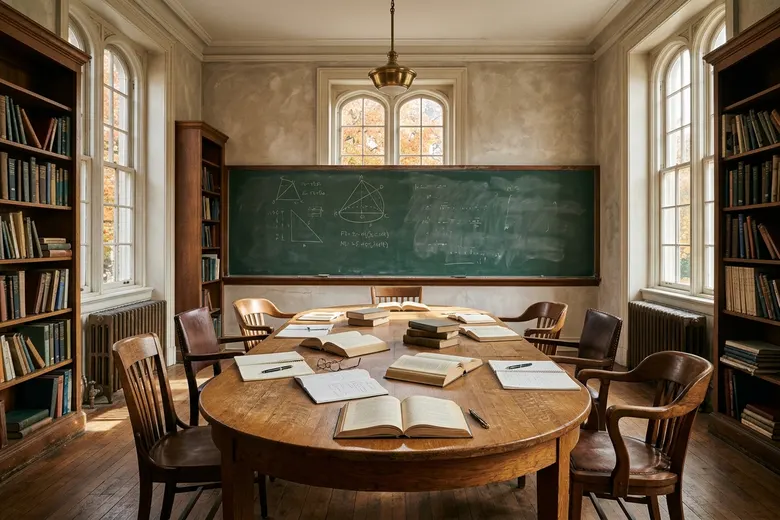
What should a classroom prepare us for?
Teachers, students, and the enduring possibilities of an education that reaches far beyond the examination hall.

Grassroots Cricket Academies and the Economics of Local Talent
From district maidans to regional tape-ball leagues, how community coaching networks discover tomorrow's pacers.
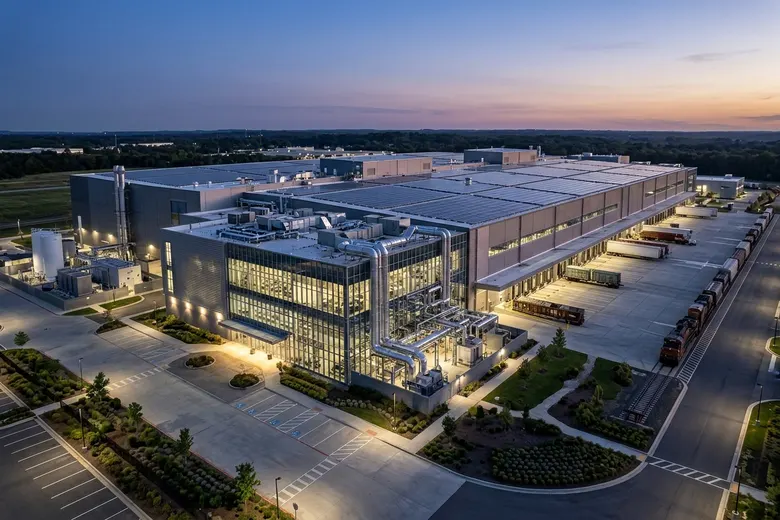
The Long Tail of Industrial Policy: Lessons from Three Continents
Capital subsidies can build factory shells in two years, but sustaining innovation requires vocational institutes and local suppliers.