
Listening as a Lost Art: What Classical and Folk Improvisation Teach Us
In an age of background playlists, the structure of live acoustic improvisation offers a masterclass in human dialogue.


Most of the music we encounter in contemporary urban life arrives as sonic wallpaper. It plays through ceiling speakers in supermarkets, hums through headphones while we answer emails, and fills the silence of elevators and transit cars. Because sound is omnipresent, active listening—the act of sitting still and giving a piece of music our undivided intellectual and emotional attention—has become surprisingly rare.
Yet when you attend a live performance of improvised acoustic music—whether a classical South Asian raga recital, a small-group jazz quartet, or a traditional folk ensemble—you witness a form of human communication that cannot function as background noise. Improvisation is a high-wire conversation conducted in real time, and its first requirement is deep listening.
"In great improvised music, the finest soloist is never the one who plays the most notes, but the one who listens most generously to the space left by others."
The Architecture of Freedom Within Law
To an uninitiated listener, musical improvisation can sound like spontaneous, unconstrained invention. In truth, serious improvisation is the marriage of freedom and strict structural law. In a classical raga, the musician operates within a precise grammar of ascending and descending notes, microtonal inflections, and time-of-day emotional mood, while the percussionist maintains a cyclical rhythmic architecture.
Similarly, in jazz improvisation, the soloist navigates an underlying harmonic progression shared by the bassist, pianist, and drummer. Because everyone in the ensemble trusts that shared structure, they are free to take daring melodic risks, knowing they can always meet back on the downbeat of the resolution.
Accompaniment as Active Dialogue
Watch the eyes and hands of a master tabla player or jazz drummer accompanying a soloist and you see a model of ideal human conversation. The accompanist does not drown out the main voice, nor do they merely repeat a mechanical pattern; they echo a phrase, offer a rhythmic counterpoint, leave a sudden bar of breathable silence, and lift the soloist when a climax approaches.
Compare that musical etiquette with what passes for debate on television panels or social media, where participants talk over one another without ever hearing the previous phrase. Ensemble music teaches us that harmony requires restraint as much as expression.
Every enduring work of art or music begins with an act of sustained attention—the willingness of a painter, composer, filmmaker, or writer to linger over details that hurried eyes pass by. In independent rehearsal rooms, printmaking studios, and regional theaters, artists keep alive the tactile craft of working with physical instruments, acoustic space, and living audiences. That unmediated human presence creates an emotional resonance that algorithmic synthesis cannot imitate.
Training the Ear in Everyday Life
Anyone can cultivate the art of deep listening by setting aside twenty minutes in the evening to listen to a single uninterrupted acoustic performance with eyes closed—following first the bass line, then the percussion, and finally the melodic arc.
When we learn to listen to music with that patience, we soon find ourselves listening more attentively to the people around us as well.
Sustaining a vibrant artistic culture depends on maintaining the everyday ecosystems where creative apprenticeship happens: small performance venues, community conservatories, independent bookshops, and municipal arts grants. When a society values artistic craftsmanship not as a luxury commodity, but as an essential mirror of the human condition, it enriches its own capacity for empathy, nuance, and historical memory.
In the end, a civilization is remembered less for the speed of its commerce than for the depth of its songs, paintings, buildings, and stories. By carving out quiet sanctuaries where artists and audiences can meet without algorithmic mediation, we keep alive the capacity for wonder and deep human sympathy that makes collective life worth living.
In conversations with practitioners, archivists, and local residents across multiple regions, one observation recurs with striking consistency: durable progress is never achieved by shortcutting foundational maintenance. Whether in civic administration, scholarly inquiry, or community stewardship, the discipline of attending to small realities over decades is what separates thriving institutions from brittle ones. When we honor that patient craft, we build a future worthy of our shared inheritance.
More in Arts & Music
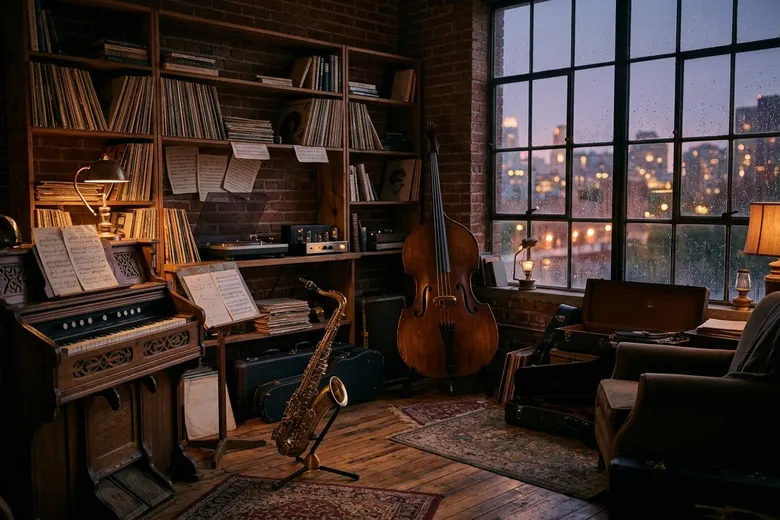
The rhythm of a city, heard from the sidelines
An exploration of creative life, shared passions and the quiet culture of neighborhood participation.
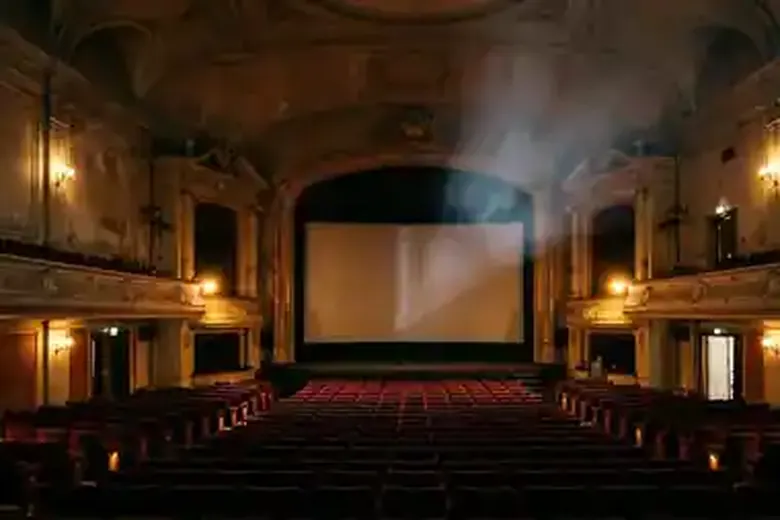
The Quiet Renaissance of the Mid-Budget Repertory Cinema
Why urban audiences—especially viewers in their twenties—are filling curated 35mm screening rooms and director talkbacks in an era of home streaming.
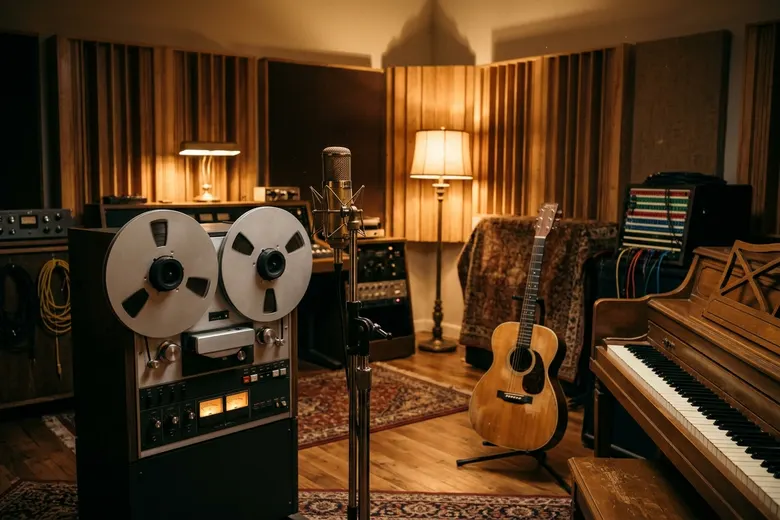
Analog Studios in a Streaming World: Why Musicians Return to Tape
The productive constraints of magnetic tape and live room acoustics are shaping a warmer, more collaborative sound.