
Local-First Software and the Movement for Digital Ownership
Why engineers, archivists, and writers are returning to tools that store files directly on the user's machine.

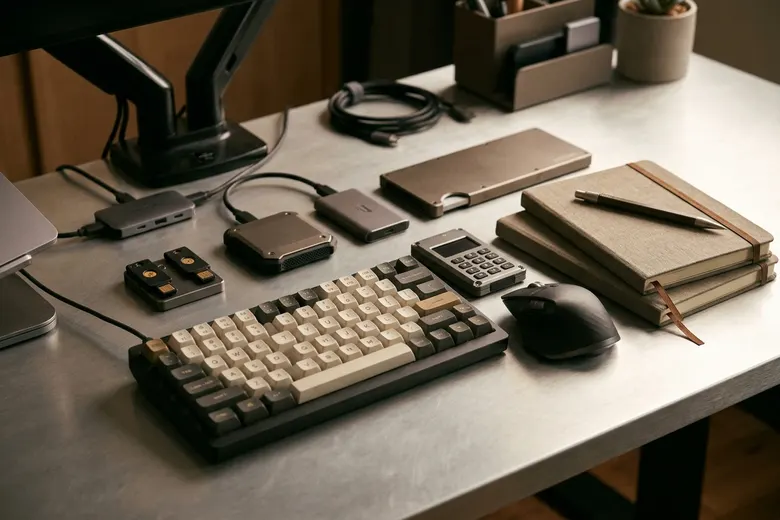
Over the past fifteen years, a quiet architectural shift transformed our relationship with personal computers. Without most users noticing the transition, the documents we write, the photographs we take, the financial ledgers we maintain, and the notes we gather migrated out of local folders on our own hard drives and into proprietary databases hosted on remote corporate servers.
Cloud software-as-a-service brought undeniable convenience—allowing a team to edit a spreadsheet simultaneously from three continents or access notes from a phone on a train. Yet that convenience came with a feudal catch: you no longer truly own your work; you merely rent access to it month by month.
"True digital longevity means that a manuscript or archive you create today can still be opened on a plain-text reader thirty years from now without asking a vendor's permission."
The Fragility of Cloud-Only Archives
Anyone who has ever watched a favorite cloud note-taking app, photo service, or design platform abruptly shut down, double its subscription fee, or lock an account over an automated billing error understands the fragility of cloud-only computing. When your creative or commercial archives live exclusively inside a proprietary web database, if the server goes dark or your internet connection drops during a storm, your tools become useless.
Contrast that with a physical notebook or a folder of plain Markdown, HTML, CSV, or PDF files stored on your own disk. A manuscript saved in an open, human-readable file format on local storage belongs to you permanently. It works offline on a rural train, cannot be altered by a distant terms-of-service update, and can be backed up across three independent drives in seconds.
How Local-First Architecture Bridges Both Worlds
A growing movement of software engineers and systems researchers is now building local-first applications that combine the ownership of classic desktop files with the seamless collaboration of modern networks. Using mathematical data structures known as conflict-free replicated data types and end-to-end encrypted peer-to-peer syncing, local-first software keeps the primary, authoritative copy of every file right on your own computer's solid-state drive.
When you are offline, the application responds instantaneously with zero network latency because it is reading directly from local memory. When you reconnect to the internet, your encrypted changes synchronize automatically with your other devices or collaborators.
Every technological system encodes choices about who holds accountability, how errors are corrected, and whether human operators remain in command. Engineers who build safety-critical infrastructure—from aviation controls to electrical grids and medical diagnostics—understand that automation works best when it augments human expertise rather than obscuring it behind opaque black boxes. Reliability, inspectability, and graceful failure modes matter far more in practice than marketing demonstrations.
Stewardship of Our Intellectual Memory
For writers, historians, small businesses, and civic institutions, choosing open file formats and local-first tools is a matter of basic intellectual hygiene. Historians can still read ink on rag paper written five hundred years ago, whereas proprietary cloud formats from ten years ago are already becoming unreadable.
By insisting on software that respects local ownership and open standards, we ensure that our digital work remains durable property rather than a temporary lease.
As software and automated decision systems become embedded deeper into civic and industrial life, technical literacy must be paired with institutional wisdom. Open standards, independent security audits, right-to-repair protections, and clear lines of human liability ensure that tools serve the public interest rather than concentrating unaccountable power. True technological progress is measured by how tangibly it elevates human capability and dignity.
The tools we build ultimately reflect the values we choose to honor. When engineers, civic leaders, and everyday users insist on transparency, repairability, and clear human accountability, technology returns to its proper role as a faithful servant of human flourishing rather than an inscrutable master.
In conversations with practitioners, archivists, and local residents across multiple regions, one observation recurs with striking consistency: durable progress is never achieved by shortcutting foundational maintenance. Whether in civic administration, scholarly inquiry, or community stewardship, the discipline of attending to small realities over decades is what separates thriving institutions from brittle ones. When we honor that patient craft, we build a future worthy of our shared inheritance.
More in Technology
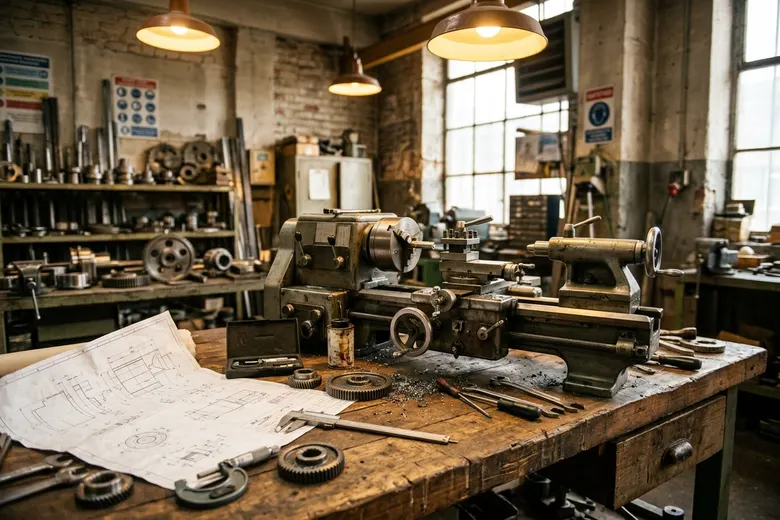
The Apprenticeships Returning Craft to Technical Universities
Engineering faculties are pairing theoretical coursework with machine-shop residencies and field maintenance.
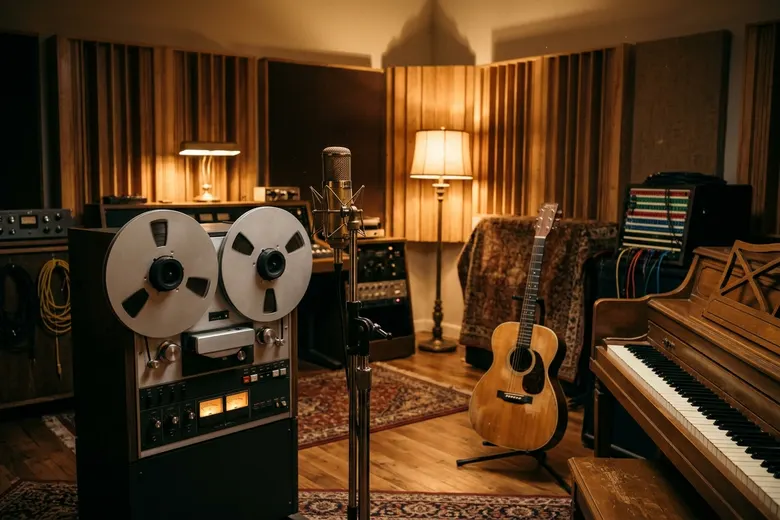
Analog Studios in a Streaming World: Why Musicians Return to Tape
The productive constraints of magnetic tape and live room acoustics are shaping a warmer, more collaborative sound.

Undersea Cables, Drone Swarms, and the New Geometry of Maritime Deterrence
How low-cost autonomous vessels and seabed infrastructure vulnerabilities are forcing naval planners to rethink the protection of narrow shipping straits.